
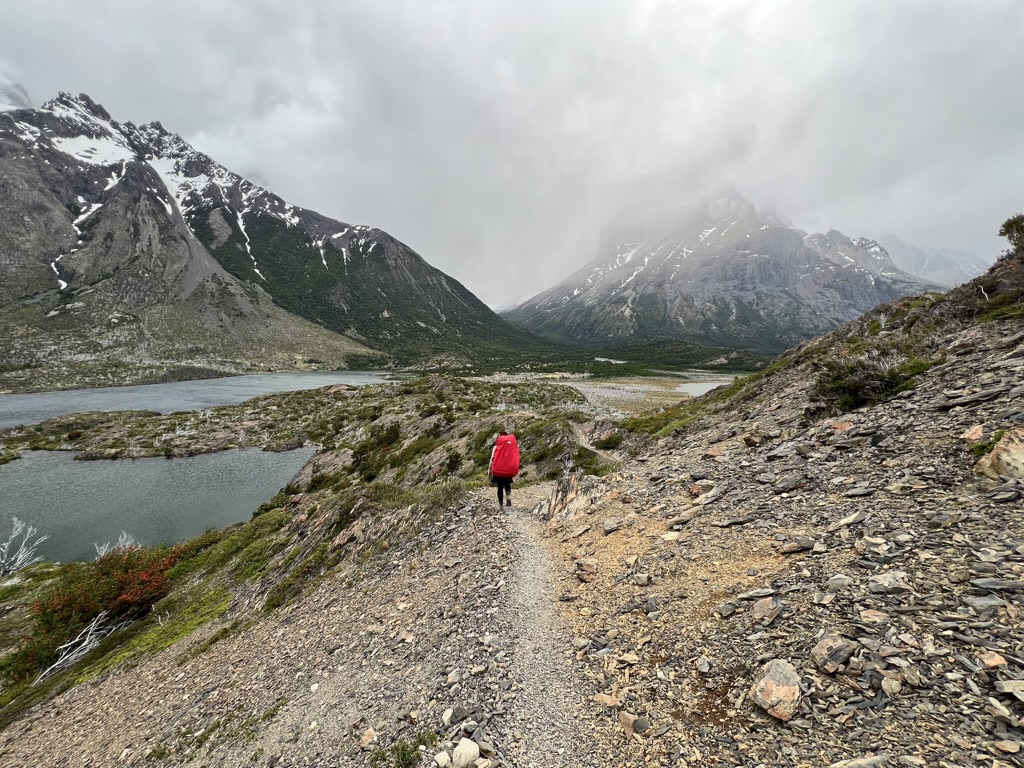
Nearly 10 years to the day, I stood at the airport about to embark on another four-month sabbatical to backpack around the world. Some things were precisely the same, like the backpack I was using, while other factors had changed, like the partner joining me and the disposable income of my 30s versus my 20s.
The biggest differences between these two experiences were my reasons for travelling and the mindset I ended the trip on.
The decision to do long-term travel in my 20s was far less calculated and driven by a sense of indirection. In my 30s, I was driven by a desire to break out of routine and take a mental time out from the rush and grind to slow down and admire.
Ending the trip in my 20s, I left with a greater sense of self. Whereas in my 30s, I walked away with a much more outward focus, awareness and curiosity to better understand the impacts of travel, both negative and positive.
Yet both experiences led me here: putting a mirror up to my travelling self and to ask the question, can we travel in a better way?
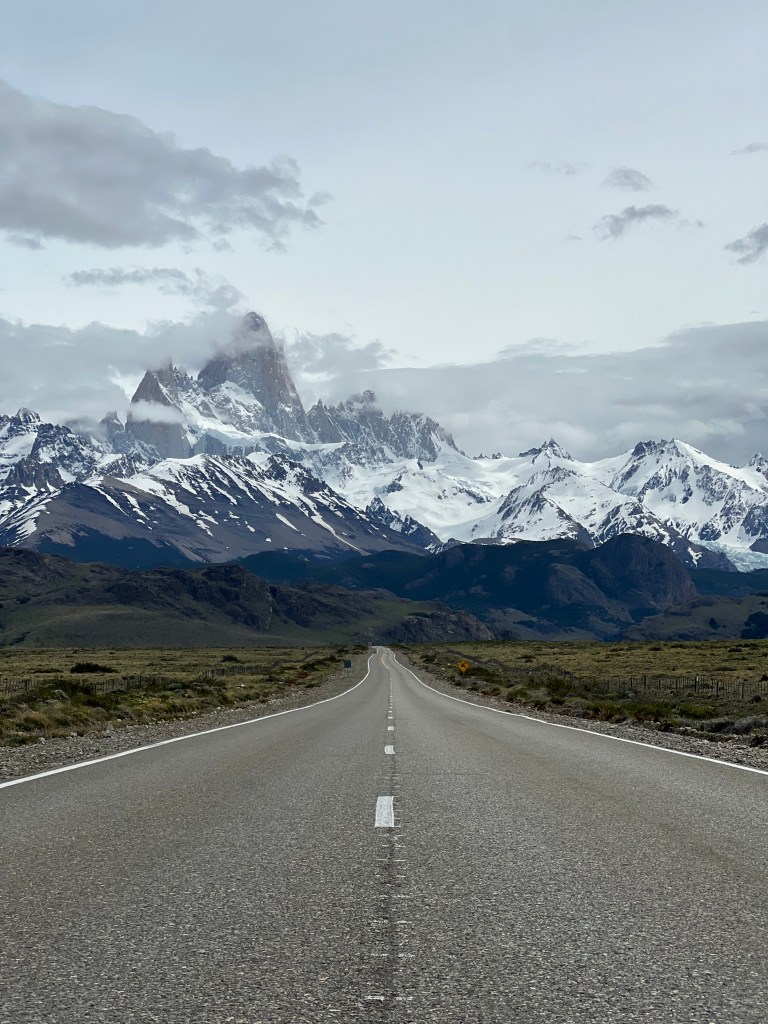
Like many young 20-year-olds who grew up exposed to the internet and a world of possibilities outside their four walls, I had an innate curiosity about what else was out there.
I was fortunate enough to be exposed early on through family resort trips, local cottage trips in Ontario and overseas European adventures. So when I was lucky enough to graduate University with savings in my bank account, I cashed them in to do a four month solo backpacking trip across Asia before moving to New Zealand.
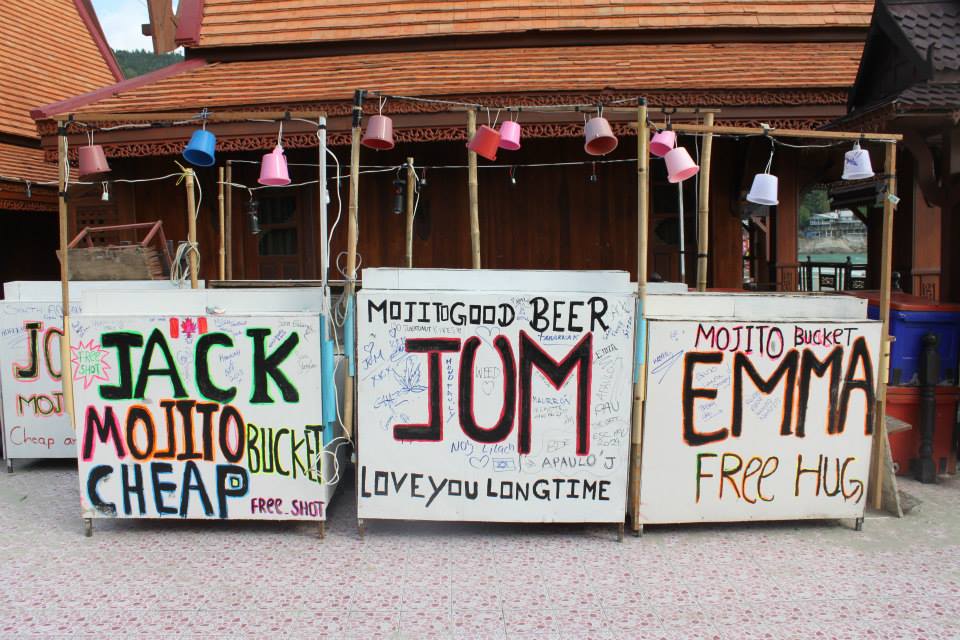
As someone with travel privilege, I am grateful for the exposure travel can give you to expand your worldview beyond what you’re familiar with and as a powerful tool for learning. But I was also young, and jumped on the Western route of backpacking, prioritising a good time (i.e, the Full Moon Party) over understanding what else a country might have to offer that isn’t geared towards just satisfying backpacker desires.
There is no doubt those four months opened my eyes significantly to history I was widely unfamiliar with, strangers who despite cultural differences had the same fundamental worries, thoughts and wishes and a chance to discover more about myself by being uncomfortable.
Ten years on, I still had that same underlying innate curiosity which was driving me to make the decision to take a sabbatical to roam. Plus, living a life of routine gave me the same itch to get out there and explore again.
But with every flight I opted to take instead of a 30-hour shared bus ride, every private room I booked or every conversation I avoided with a stranger as I opted for the comfort of spending time with my partner, I came to the realisation that I was no better than my younger travelling self. In fact, I was possibly even worse. And while I was experiencing something amazing, I questioned what kind of impact I was putting back on the world? Did I need to travel? And if I ever wanted to do this again, could I do it better?
According to the World Travel and Tourism Council, prior to the pandemic, “Travel & Tourism (including its direct, indirect, and induced impacts) accounted for 10.5% of all jobs (334 million) and 10.4% of global GDP (US$10.3 trillion).” While the industry hasn’t fully rebounded to pre-pandemic levels, in 2023, the industry contributed 9.1% of the global GDP, an “increase of 23.2% from 2022 and only 4.1% below the 2019 level.”

This industry is massive and with the pandemic putting a stop to travel and tourism, it made us even more acutely aware of just how widespread its impacts are from environmental to political and economical.
As I started to reflect on my own personal impacts from spending four-months abroad, I also began to realise that I was merely one of 1.3 billion yearly travellers.
And while I don’t want to put an end to travel, I do want to join the hordes of individuals that are using the pandemic to take a step back and try to solve the question, “how can we allow people to continue to travel with less detrimental impact?”
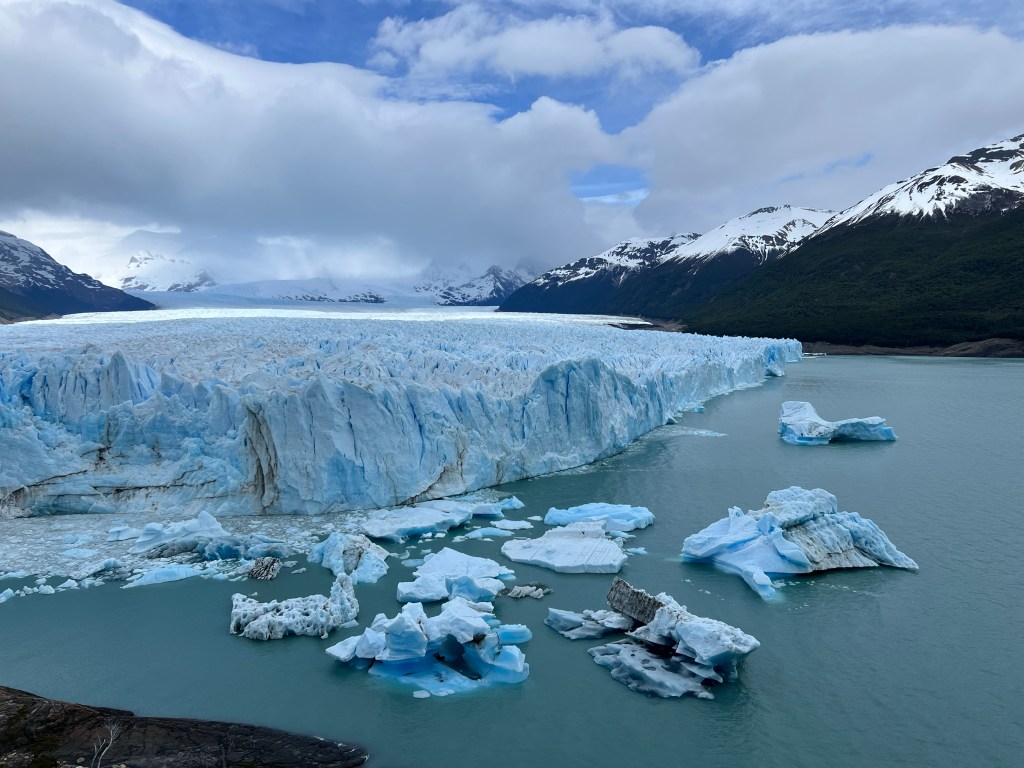
This blog is about a journey of discovery to help answer that question and a resource guide by sharing what I learn along the way.
I’m far from having the answers at this stage, but my aim is to put more meaning behind words like ‘sustainable tourism’ into something practical or tangible that we can apply to our own adventures.
I’ll be exploring everything from environmental impacts to how local economies can create tourism that benefits them directly. From unpicking if international conglomerates like Intrepid or G Adventures are helping or hindering the industry to whether we can allow backpackers to ‘cheap’ out on experiences or should we be paying more for services we think we’re privileged to receive. Or even how we can continue to travel with comfort and familiarity but still learn about a place, as home stays might not always be the answer.
These are just a few of the questions on my radar, as I start to research, ask experts and even unpick some of my past adventures as case studies to do things better.
So join me with equal curiosity, reach out to me with answers and travel along as we try to solve: can we travel in a better way? (together).

 Burton Steps Out | Travel Blog & Portfolio
Leave a comment